Kinetic and Potential Energy
⚡Kinetic Energy and Potential Energy⚡
Have you ever wondered why a roller coaster moves so fast, or how a ball thrown into the air comes back down? The answer lies in two important forms of energy: kinetic energy and potential energy.
These two types of energy are everywhere around us. From a moving car on the road to water stored in a dam, energy constantly changes form and makes things happen.
Let’s explore how these energies work in our daily life.
🚗 Kinetic Energy – Energy of Motion
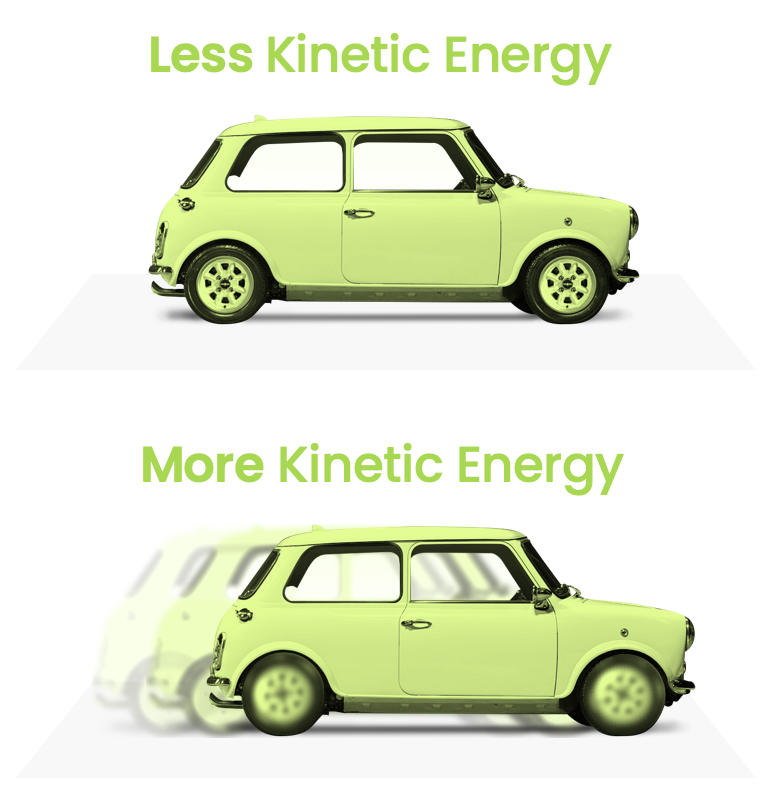
Imagine a football being kicked across a field or a river flowing quickly after rain. These objects are moving, and because of that movement they possess kinetic energy.
Kinetic energy is the energy an object has because it is moving.
Examples of kinetic energy in daily life include:
🚗 A moving car
🏃 A person running
🌊 Flowing water in a river
⚽ A rolling ball
The faster an object moves, the greater its kinetic energy.
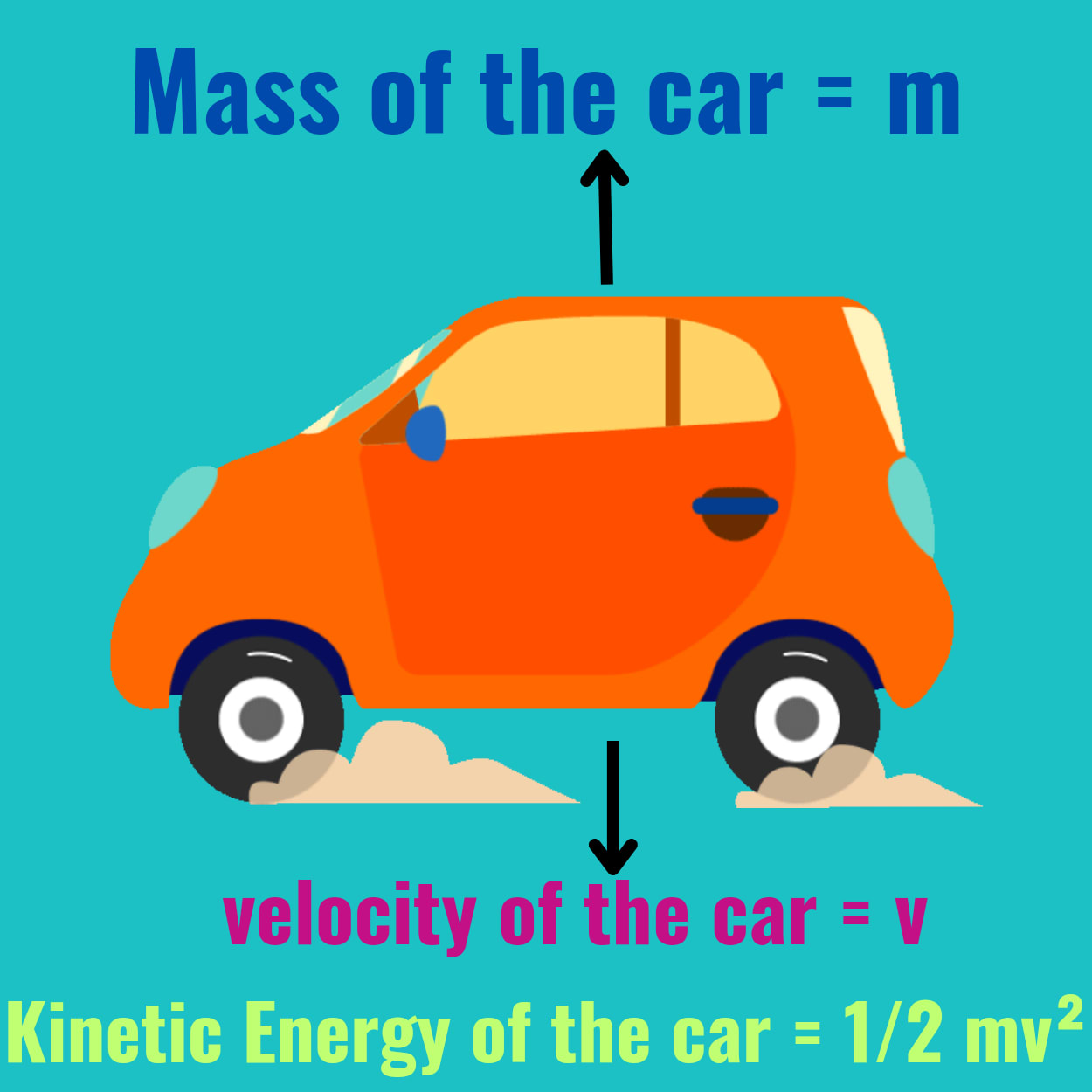
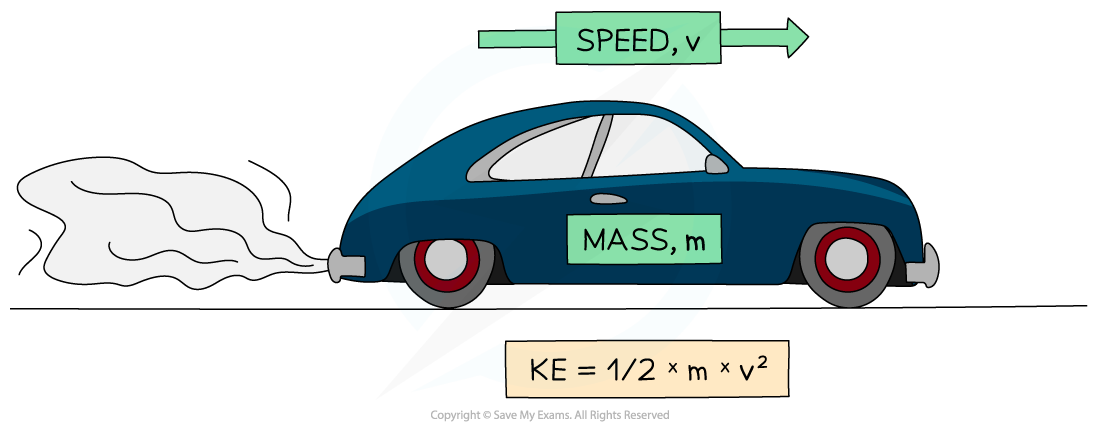
The formula used to calculate kinetic energy is:
KE = ½ mv²
Where
m = mass of the object
v = velocity or speed of the object
This equation tells us that if the speed increases, the kinetic energy increases rapidly.
🏔️ Potential Energy – Stored Energy


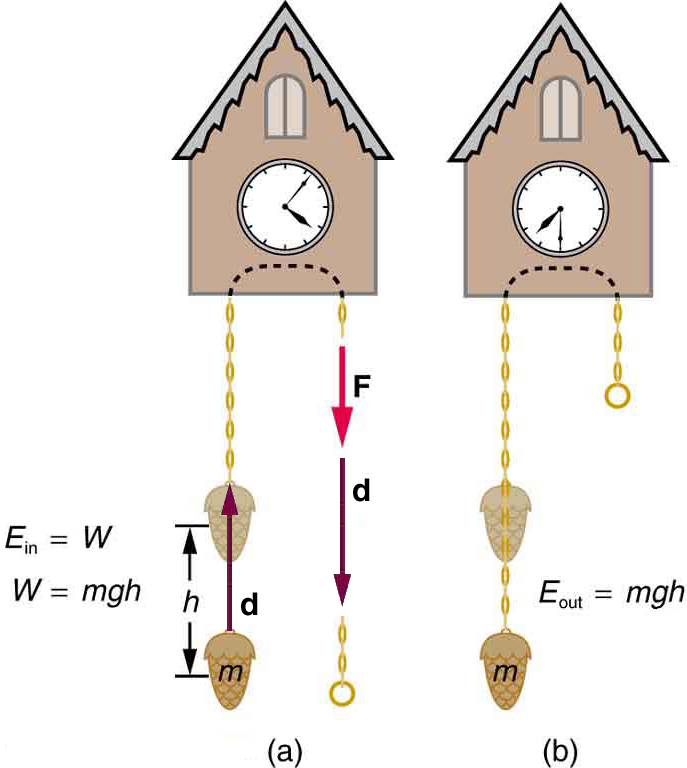
Now imagine holding a book high above the floor. Even though it is not moving, it still has energy stored in it. If you drop the book, it will fall and do work.
This stored energy is called potential energy.
Potential energy is the energy an object possesses because of its position or condition.
Some common examples include:
📚 A book kept on a shelf
💧 Water stored in a dam
🎢 A roller coaster at the top of a hill
🪢 A stretched rubber band
For objects above the ground, the potential energy is called gravitational potential energy.
The formula for it is:
PE = mgh
Where
m = mass
g = acceleration due to gravity
h = height above the ground
The higher the object, the greater its potential energy.
🎢 How Kinetic and Potential Energy Work Together
One of the most exciting examples of energy transformation is a roller coaster ride.
When the roller coaster reaches the top of a hill, it has maximum potential energy. As it moves downward, that stored energy changes into kinetic energy, making the ride faster and more thrilling.
When the coaster climbs the next hill, the kinetic energy changes back into potential energy.
This continuous change between these two forms of energy follows the law of conservation of energy, which states that energy cannot be created or destroyed, but it can change from one form to another.
Kinetic energy and potential energy play a crucial role in understanding the motion of objects around us. Kinetic energy is the energy of motion, while potential energy is stored energy due to position.
From roller coasters and waterfalls to everyday objects, these two forms of energy are constantly changing into each other, making the world full of motion and activity.
Understanding these concepts helps us appreciate the science behind many natural and man-made phenomena.
Comments
Post a Comment